Shrink Films
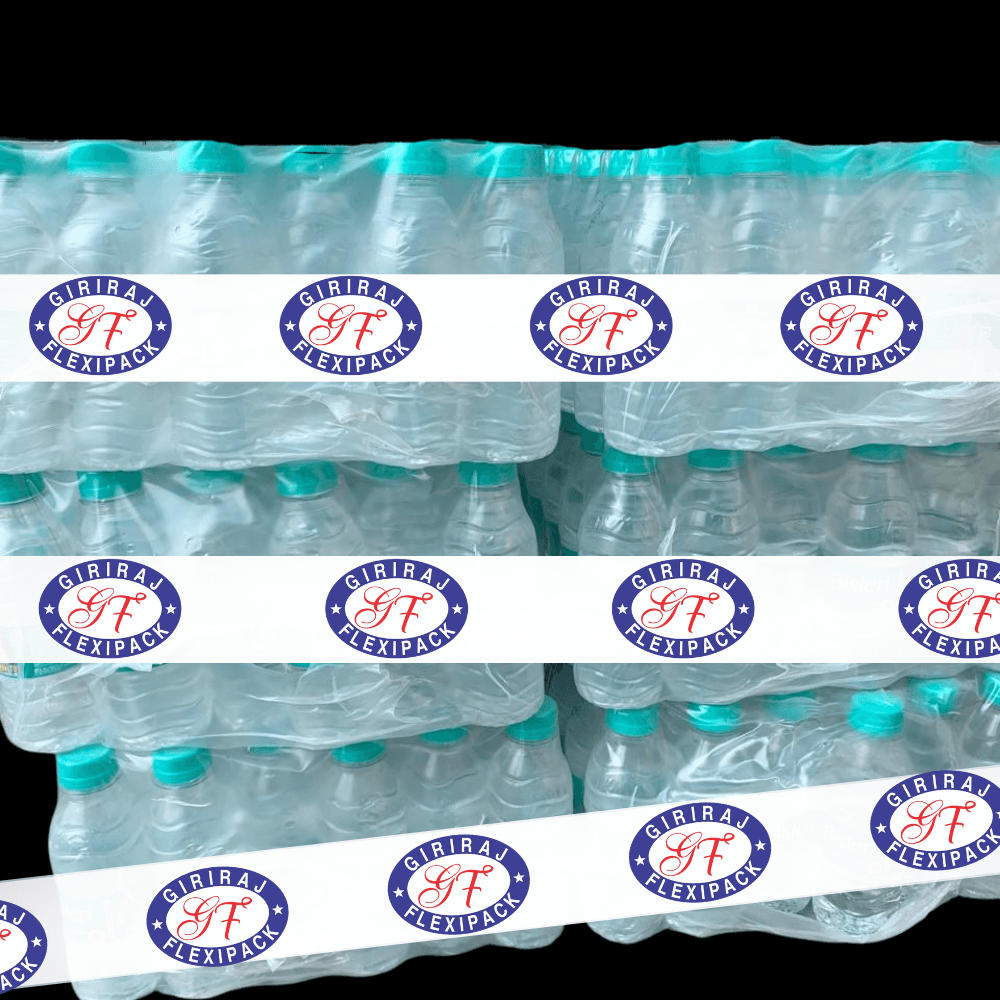
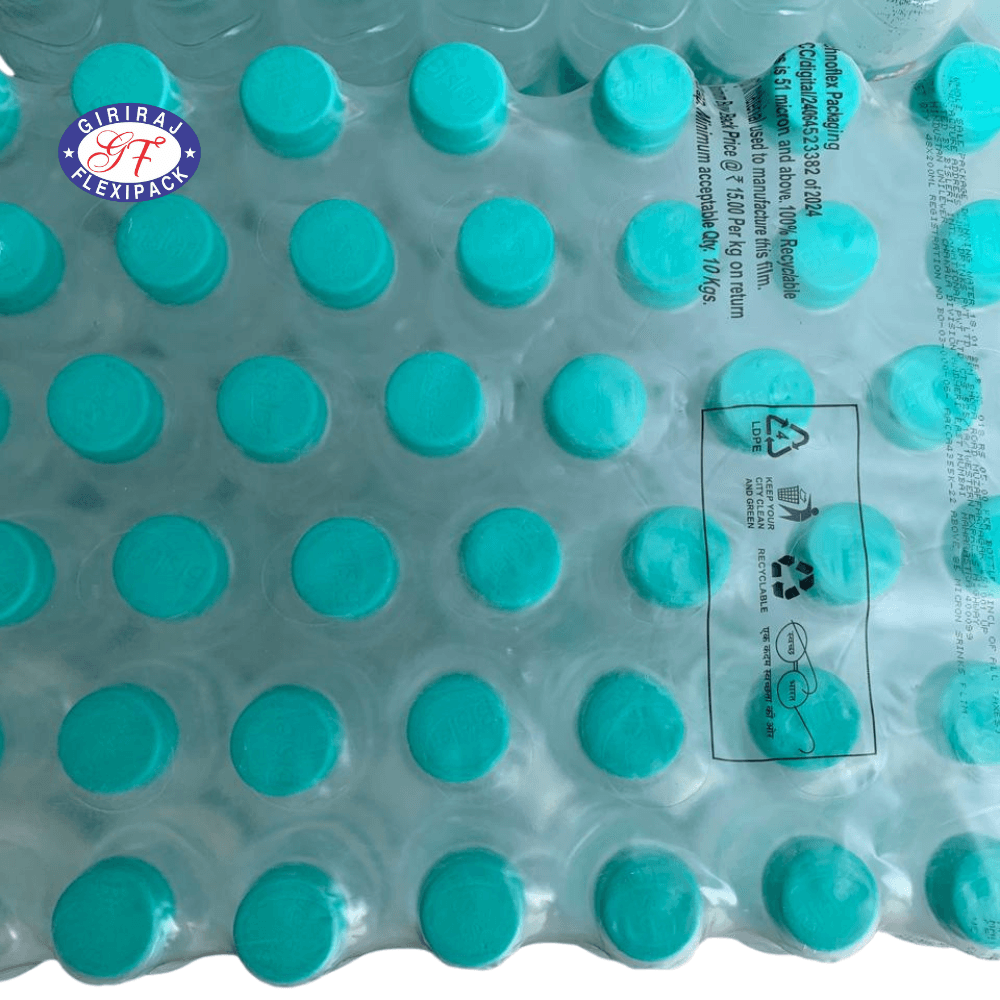
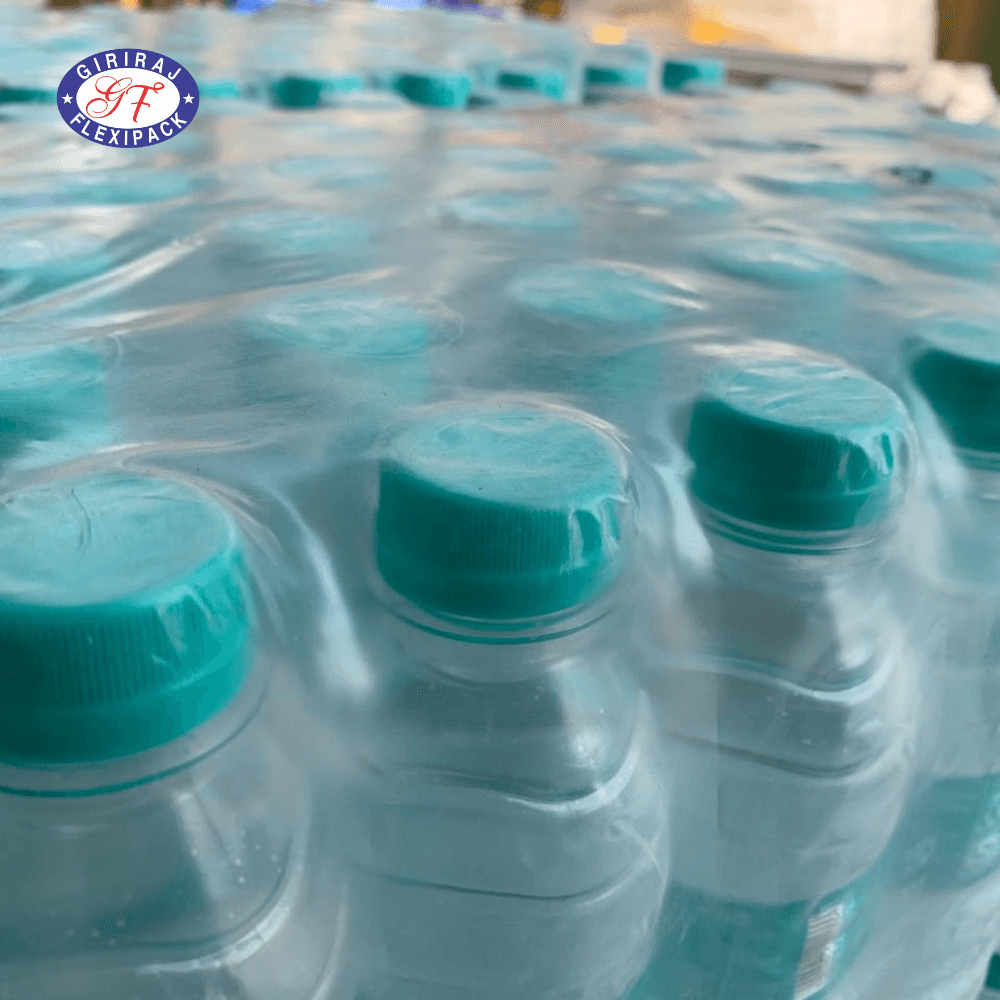
Shrink Films are thermoplastic packaging materials that shrink tightly around a product when heat is applied. Leveraging the “memory effect” of oriented polymers, these films contract uniformly to conform to the shape of the enclosed item, creating a secure, tamper-evident, and transparent package. Widely used for bundling beverages, food trays, industrial goods, and promotional multipacks, shrink films offer an efficient alternative to rigid packaging while enhancing product presentation
Shrink Films (also known as shrink wrap or heat shrink film) are flexible plastic films that exhibit the unique property of controlled dimensional reduction when exposed to elevated temperatures. This behavior is achieved during manufacturing through a process of molecular orientation, where the film is stretched while heated (or "oriented") and then rapidly cooled to "freeze" the polymer chains in that extended state. When reheated, the polymer chains relax back toward their original dimensions, causing the film to contract tightly around the product.
How Shrink Film Works: The "Memory Effect"
The fundamental principle behind shrink film is the polymer memory effect. Thermoplastic polymers, such as polyethylene (PE) or polyolefins, can be stretched in their elastic state. By rapidly cooling them, the polymer chains are locked in this stressed state. Re-applying heat relaxes the material, causing it to "forget" the stretched shape and return to its original dimensions. This results in a tight, drum-like fit.
-
Key Mechanism: The film shrinks primarily in the direction(s) it was stretched.
-
Unidirectional (MDO): Shrinks mainly in one direction (e.g., lengthwise).
-
Biaxial (TD): Shrinks in both directions (length and width) .
-
The Shrink Wrapping Process
The application of shrink film typically involves three steps:
-
Enveloping: The product is enclosed in the shrink film (either as a bag, a tube, or a sealed wrap).
-
Sealing: The film edges are sealed together using a heat sealer to create a package.
-
Heating: The sealed package passes through a shrink tunnel or is exposed to a heat gun. Hot air (typically 120°C to 180°C) causes the film to contract instantly.
-
Cooling: The film cools quickly, retaining the tight, shrunken shape.
Key Performance Characteristics
Shrink films are designed with specific technical parameters:
-
Shrinkage Percentage: The amount of contraction. Standard PE films might shrink 40-50% in one direction, while high-performance PET or OPS films can shrink up to 70-80% for complex contours.
-
Shrink Force: The tension the film exerts on the product after cooling. High shrink force is needed for heavy loads (like pallets), while lower force is used for soft or fragile items.
-
Hot Tack & Seal Strength: The ability of the film to stay sealed while it is still hot and shrinking. Excellent hot tack prevents the "dog ears" or loose corners often seen in poor wrapping.
-
Clarity & Gloss: Essential for retail presentation, allowing barcodes to be scanned and products to be visible.
-
Machinability: How well the film runs on high-speed automated lines (Flow wrappers, L-sealers, shrink tunnels). Low coefficient of friction (COF) is required for smooth transport.
POF (Polyolefin) Shrink Film: The industry standard for retail and food. Cross-linked co-extruded multilayer film (often 3 or 5 layers). Offers high clarity, high strength, low temperature shrinkage, and a wide sealing range. Best for: Bakery items, meat trays, beverages, boxed electronics, and compact disc wrapping. Known for minimal “dog ears” (loose corners) and excellent machinability on high-speed L-sealers.
PE (Polyethylene) Shrink Film (Heavy Duty): High toughness, puncture-resistant film often made from LDPE or LLDPE blends. Available in single-wound or center-folded (gusseted) rolls. Best for: Bundling large quantities of cans/bottles (24-packs), industrial parts, construction lumber, chemicals, and pallet hoods. Typically thicker (50–200 microns) and soft to the touch.
PVC Shrink Film: Low-cost, high-clarity film with excellent shrink capability at low temperatures. However, it has lower seal strength and emits a distinct odor when sealed. Environmental concerns (chlorine content) are leading many to switch to POF. Best for: Non-food items such as hardware tools, stationery, games, and promotional bundling where cost is the primary driver.
Printed Shrink Film: High-definition rotogravure printed film (often POF or PET) used for branded bundling or “Full Body Label” (FBL) sleeves. The print is stretched as the film shrinks, resulting in 360-degree, distortion-free graphics that conform exactly to the product contour. Best for: Promotional holiday packs (soda cans wrapped with snowflakes), collectible multi-packs, tamper-evident bands, and premium food sleeves.
PET / OPS Shrink Sleeves: Specifically engineered for labeling complex shapes. PET offers extreme shrinkage (70%+) allowing labels to wrap around bottle contours, curves, and handles. OPS offers high-speed processing and is chlorine-free. Best for: Full-body labels on sports drinks, yogurt containers, household chemicals, and any container with an irregular “curvy” profile.
Giriraj Flexipack is always known for its specialties in the industry. In terms of Shrink Films also, we are way ahead of others. With 5 automatic pouch making machines and advanced blown film extrusion lines, we deliver high-performance shrink films with superior clarity, consistent shrinkage, and high-strength seals from our Delhi, India facility.
Our Specialties in Shrink Films:
-
Multi-Layer Co-extrusion Technology: We utilize advanced 3-layer co-extrusion blown film lines. This allows us to engineer films with specific properties for each layer (e.g., outer layer for gloss/seal, middle layer for strength/barrier, inner layer for sealing/hot tack). This results in a balanced shrink film optimized for speed, clarity, and holding force.
-
High-Performance Shrink Properties: We manufacture films with excellent shrinkage characteristics:
-
High Shrinkage (40-50%): Ensures a tight, wrinkle-free fit around products without baggy corners.
-
Precision Hot Tack: High hot tack strength ensures seals hold tight immediately after the shrink tunnel, preventing pop-opens on the conveyor.
-
Low COF (Coefficient of Friction): Surface treated (corona/slip) to ensure smooth feeding over sealing bars and through shrink tunnels without jamming.
-